

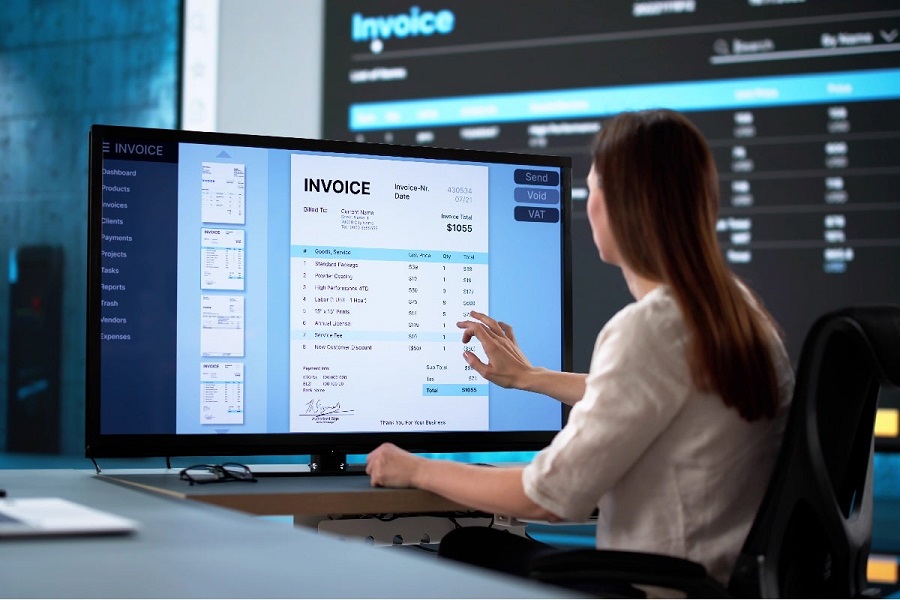
Managing invoices and payments can become one of the more demanding administrative responsibilities for businesses delivering NDIS-related services. Providers need to maintain accurate records, submit invoices correctly, monitor outstanding payments and keep financial information organised. When several participants and multiple services are involved, even small administrative errors can consume valuable time.
A plan manager helps simplify this process by taking care of important financial administration on behalf of participants. Instead of providers and participants having to navigate every payment-related task independently, the plan manager provides a structured channel through which invoices can be submitted, reviewed and paid.
For service providers, understanding how this arrangement works can make everyday administration more efficient and create a clearer approach to payment management.
What Is a Plan Manager?
A plan manager assists with the financial administration of an NDIS participant’s plan. Their responsibilities commonly include processing provider invoices, tracking expenditure, maintaining financial records and providing information about how funding is being used.
The role is not simply about transferring money from one account to another. Effective plan management creates an organised administrative framework that connects participants, providers and funding information.
For providers, this can mean having a dedicated point of contact for financial administration rather than relying on the participant to manage every invoice personally.
Why Invoicing Can Become Complicated
Invoicing appears straightforward when a business has only a few clients. The situation can become considerably more complicated as the number of participants increases.
Each invoice may contain several pieces of information that need to be accurate, including service dates, descriptions, quantities, rates and participant details. A small mistake can lead to clarification requests, corrections or delays.
Providers also need to keep track of which invoices have been submitted and which payments have been received. Without a reliable system, outstanding invoices can become difficult to identify.
A plan manager helps introduce structure into this process.
How a Plan Manager Simplifies Invoice Processing
One of the central responsibilities of a plan manager is handling invoices submitted by providers. This creates a defined administrative pathway for payment requests.
Once an invoice is received, the relevant information can be reviewed and processed according to applicable requirements. If something is missing or requires clarification, the issue can be communicated to the appropriate party.
This can reduce the administrative burden placed on participants and give providers a clearer process for submitting payment requests.
Fewer Administrative Obstacles
Providers can benefit from having a consistent process for invoice submission. Instead of managing different arrangements for every participant, businesses can establish internal procedures that align with the requirements of plan-managed services.
A standardised approach can make finance administration easier, particularly for businesses with a growing client base.
Supporting Accurate Invoices
Accuracy is one of the most important elements of efficient payment processing. An invoice containing incomplete or incorrect information may require additional communication before it can be processed.
Plan managers can help identify administrative issues during the payment process, although providers remain responsible for preparing accurate invoices.
Businesses can reduce avoidable problems by checking invoices before submission.
Important details may include:
- Participant information
- Provider details
- Date and description of the service
- Quantity or duration of the support
- Applicable rate
- Total amount payable
- Appropriate payment information
A simple internal checklist can prevent many common mistakes.
Better Visibility Over Payments
Another advantage of plan management is improved visibility over financial activity. Participants can receive information about spending, while providers can maintain their own records of invoices and payments.
This creates a more organised financial environment.
For a business, visibility matters because outstanding invoices can affect bookkeeping and cash-flow planning. Knowing when an invoice was submitted, whether further information is required and whether payment has been processed makes financial administration easier to manage.
Reducing the Need for Payment Chasing
Following up on unpaid invoices can take considerable time. Employees may need to check accounting systems, send emails and contact different parties simply to establish the status of a payment.
A plan manager can provide a clear administrative channel for payment-related enquiries.
This does not mean every payment will be immediate. There may still be circumstances where an invoice requires correction, additional information or further review. However, having a defined process can make it easier to identify what needs to happen next.
For small businesses in particular, reducing unnecessary administrative correspondence can free staff to concentrate on service delivery.
Improving Communication Between Providers and Participants
Financial discussions can sometimes become uncomfortable when participants and providers have to resolve payment questions directly.
A plan manager provides an additional layer of financial administration, which can help separate service delivery from payment processing.
The provider can concentrate on delivering agreed services, while financial administration is handled through the appropriate plan management process.
Clear communication remains essential. If an invoice needs correction, providers should respond promptly. If a payment question arises, having accurate records makes the conversation much easier.
Helping Businesses Maintain Better Records
Good financial administration depends on reliable records. Providers should maintain their own copies of invoices, service records and payment information even when a plan manager handles the participant’s financial administration.
This provides an independent record that can support bookkeeping and business reporting.
Organised records can also make it easier to answer questions later. If a participant, plan manager or internal finance team needs information about a particular transaction, the provider can locate the relevant documentation quickly.
Making Cash-Flow Management More Predictable
Cash flow is an important consideration for any service business. Staff wages, premises, software, insurance, training and other operational costs must be managed regardless of when client payments arrive.
Efficient invoicing and payment processes can support better cash-flow planning.
A plan manager does not guarantee a particular payment timeframe, but an organised process can help reduce delays caused by incomplete invoices or administrative confusion.
Providers can strengthen their own cash-flow management by maintaining an up-to-date accounts receivable system and regularly reviewing outstanding invoices.
The Importance of Provider Responsibilities
It is important to understand that involving a plan manager does not remove the provider’s administrative responsibilities.
Businesses should still:
- Issue accurate invoices
- Maintain appropriate service records
- Use agreed pricing and billing arrangements
- Keep financial documentation organised
- Respond to enquiries promptly
- Monitor their own accounts receivable records
The plan manager and provider have different roles. When both sides perform their responsibilities carefully, the payment process is more likely to operate smoothly.
Practical Ways Providers Can Work With Plan Managers
Businesses can make the relationship more efficient by developing consistent administrative habits.
Create a Standard Invoice Process
Use the same internal workflow for preparing and checking invoices. Assign responsibility to specific staff members so that invoices do not sit unattended.
Review Before Submission
A brief quality check can identify missing information before an invoice reaches the plan manager.
Keep Submission Records
Record when each invoice was submitted and maintain a copy of the original document. This makes follow-up much easier.
Respond Quickly to Queries
If additional information is requested, responding promptly can prevent an otherwise simple issue from becoming a prolonged delay.
Reconcile Payments Regularly
Compare received payments with submitted invoices at regular intervals. This helps identify discrepancies while the relevant details are still easy to locate.
Technology and Modern Invoice Administration
Digital systems have changed the way many businesses handle invoicing. Accounting software, electronic records and automated reminders can reduce manual work and improve visibility.
However, technology is only as useful as the process surrounding it. A sophisticated accounting platform cannot compensate for inaccurate information or inconsistent internal procedures.
Providers should focus first on creating a clear workflow and then use suitable digital tools to support it.
What Makes a Payment Process Work Well?
An efficient payment process is built around several simple principles.
Accuracy: Information should be correct before an invoice is submitted.
Consistency: Providers should follow a repeatable process rather than handling each invoice differently.
Communication: Questions and discrepancies should be addressed promptly.
Record-keeping: Every submitted invoice and received payment should be traceable.
Transparency: Participants and providers should have appropriate visibility over financial activity.
These principles may sound straightforward, but applying them consistently can make a meaningful difference to administrative efficiency.
A More Organised Experience for Everyone
The value of a plan manager is often most apparent when financial administration becomes complex. Multiple providers, recurring services and numerous invoices can create a substantial workload if there is no clear structure.
By providing financial administration, a plan manager can help create a more organised connection between service delivery and payment processing.
For participants, this may mean less responsibility for handling individual invoices. For providers, it can mean a clearer payment pathway. For businesses, better administration can support stronger financial records and more efficient internal operations.
Building Better Provider Relationships
Payment administration is not simply a finance function. It can influence the quality of the professional relationship between a provider and a participant.
When invoices are handled clearly and financial questions are resolved efficiently, providers can spend more time focusing on the services they deliver.
A well-managed process also creates greater confidence. Businesses know where to direct enquiries, participants have greater visibility over their plan’s financial activity, and administrative responsibilities are easier to distinguish.
A Practical Approach to Smoother Payments
The most effective approach combines professional plan management with strong provider-side administration. A plan manager can handle important financial tasks, but providers should support the process through accurate invoicing, organised records and timely communication.
Businesses that establish clear procedures from the beginning are generally better positioned to manage increasing invoice volumes without allowing administrative work to become overwhelming.
A good payment process should not require constant attention. It should be structured enough to operate reliably in the background while giving the relevant parties access to information when they need it.
Final Thoughts
A plan manager can simplify invoicing and payment administration by creating a clear financial process between participants and service providers. From processing invoices and tracking expenditure to supporting communication and maintaining financial visibility, the role can remove much of the routine administrative pressure associated with plan management.
For service providers and businesses, the greatest benefits come when plan management is supported by accurate documentation, consistent internal procedures and prompt communication.
When everyone understands their responsibilities and follows a well-organised process, invoicing becomes easier to manage, payment enquiries become more straightforward and businesses can devote greater attention to what matters most: delivering dependable, high-quality services.