

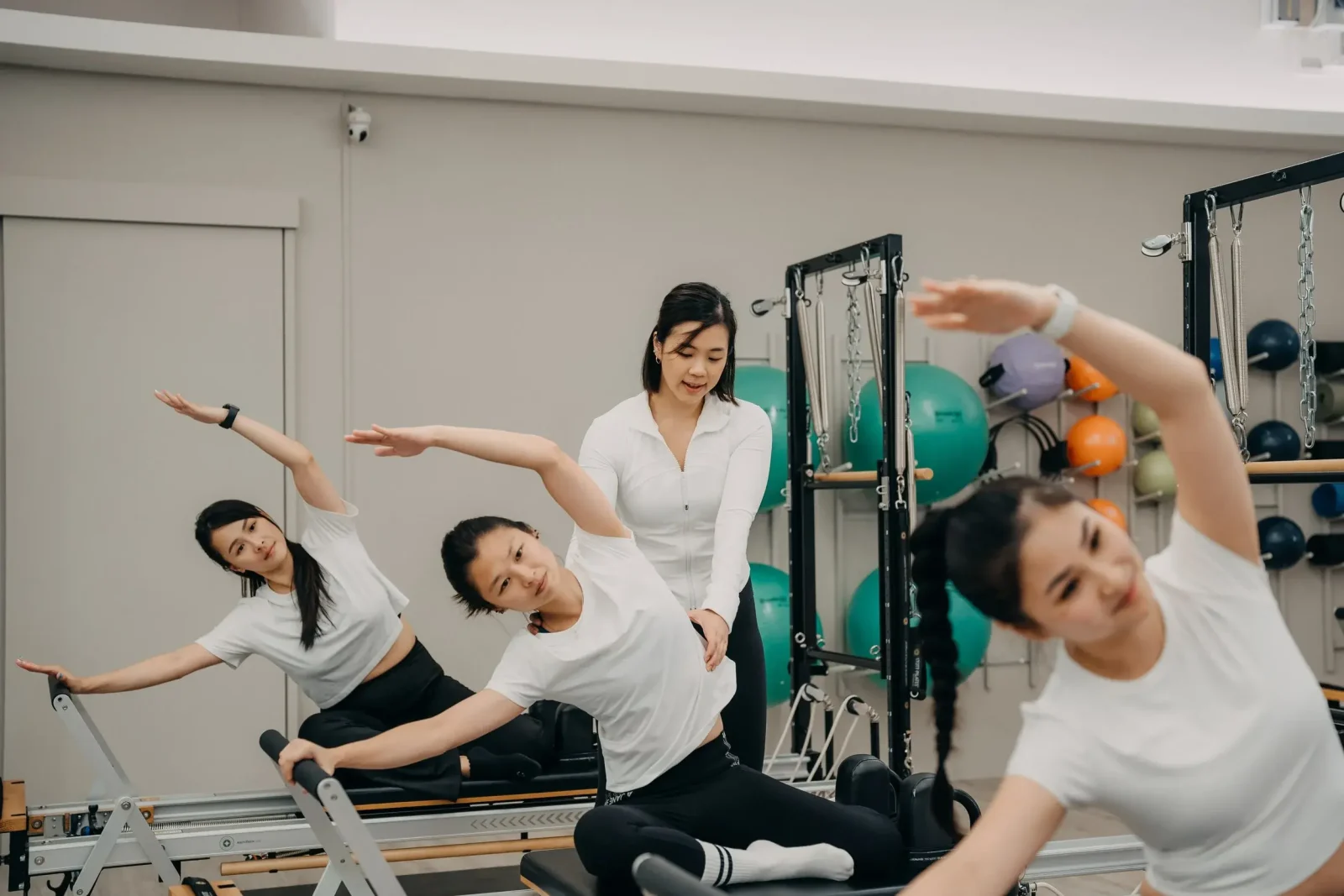
Singapore’s business landscape is known for its speed, precision, and ambition. Leaders are expected to manage complex operations, make high-stakes decisions, guide diverse teams, and maintain stability in unpredictable environments. This pace affects the body as much as the mind. Long working hours, data-heavy responsibilities, high expectations, and continuous digital exposure gradually wear down the nervous system. When this happens, executives experience cognitive fatigue, shortened attention spans, poor postural endurance, and difficulty sustaining creativity.
Because of these growing pressures, many professionals are shifting from traditional fitness routines toward methods that support neurological stability, mental precision, emotional regulation, and long-term physical resilience. Among these methods, structured movement training such as pilates singapore has become a quiet but powerful tool for executives who want sustainable performance. Pilates strengthens the deep stabiliser muscles, calms the nervous system, improves breath efficiency, and enhances sensory awareness. These benefits indirectly elevate leadership behaviour, focus, strategic thinking, and innovation capacity.
This article examines the strategic role Pilates plays in modern corporate culture and explains why an increasing number of executives treat it as an investment in performance rather than a leisure activity.
Understanding the executive demand cycle
Leaders operate in what can be described as a high-pressure demand cycle. Each week involves presentations, negotiations, decision-making sessions, crisis management, and rapid context switching between tasks. These demands repeatedly activate the sympathetic nervous system, which drives the fight-or-flight response.
How business environments affect the body and mind
Executives often experience:
- Shallow breathing patterns during long digital hours
- Tension across the shoulders and neck from sustained focus
- Reduced mobility from extended boardroom sessions
- Chronic fatigue from constant task switching
- Mental clutter caused by digital overload
- Emotional reactivity due to accumulated stress
Over time, this pattern disrupts cognitive clarity and reduces the brain’s ability to manage difficult decisions. Pilates helps break this cycle by re-balancing the nervous system and strengthening the deep structures that support sustained focus.
Why Pilates is uniquely suited for executive performance
Many corporate professionals initially view Pilates as a physical practice. However, its deeper value lies in neuromuscular and cognitive regulation. Pilates enhances executive performance through three core pillars:
1. Nervous system regulation
When the nervous system is overstimulated, decision-making becomes reactive rather than strategic. Pilates uses slow, controlled movements and breath patterns that calm the nervous system, reduce cortisol levels, and increase mental steadiness.
2. Neuromuscular precision
Executives rely heavily on mental focus, but their bodies often fall into inefficient movement habits. Pilates retrains the nervous system to communicate more effectively with the muscles, improving coordination, posture, and endurance during long meetings.
3. Cognitive clarity
Breath control increases oxygen flow, enhances blood circulation, and improves brain function. Many executives feel clearer, more present, and more capable of solving complex problems after regular Pilates sessions.
The link between deep core conditioning and decision-making quality
Leaders typically underestimate the impact of body alignment on mental performance. The deep core muscles influence everything from posture to breath mechanics to internal stability.
How deep core strength affects leadership behaviour
When the deep core is weak:
- The spine becomes unstable
- Breathing becomes shallow
- The nervous system becomes easily overwhelmed
- Concentration declines
- Emotional regulation becomes difficult
When the deep core is strong, the opposite happens:
- Breath deepens naturally
- The nervous system remains stable under pressure
- The mind can focus for longer periods
- Decisions feel clearer and less reactive
- Communication becomes more confident and grounded
Pilates specifically targets these deep muscles, helping leaders maintain clarity even during stressful situations.
Postural alignment as a foundation for executive presence
Leadership presence is not only about communication skills. It is heavily influenced by posture, movement patterns, and internal alignment. People subconsciously respond to leaders who stand and move with stability, calmness, and confidence.
How posture shapes leadership perception
Executives with upright, aligned posture are perceived as:
- More credible
- More confident
- More attentive
- Better decision makers
- Better listeners
Pilates enhances this posture naturally, without forcing stiff or unnatural positions. It trains the body to maintain vertical alignment effortlessly, reducing physical strain and improving the quality of communication.
Respiratory efficiency and its impact on strategic thinking
Breath is a direct regulator of cognitive performance. Many executives breathe shallowly due to stress or long periods of stillness. Shallow breathing reduces oxygen intake, which leads to mental fogginess, irritability, and difficulty generating new ideas.
Pilates teaches rib expansion, diaphragmatic engagement, and rhythmic breathing that increases oxygen flow. This improves:
- Cognitive sharpness
- Emotional steadiness
- Verbal clarity
- Long-duration focus
- Creativity and innovation
When breath deepens consistently, executives operate from a more grounded and strategic mindset.
The neuroscience behind Pilates and executive productivity
Pilates stimulates areas of the brain responsible for balance, coordination, focus, and emotional regulation. This neurological activation enhances productivity in several ways.
Improved frontal lobe function
The frontal lobe controls decision-making, planning, and problem-solving. Pilates increases oxygenation and blood flow to this region, supporting clearer thinking.
Reduced cognitive overload
Executives experience constant mental stimuli from emails, meetings, deadlines, and notifications. Pilates reduces sensory noise and allows the brain to reset.
Enhanced proprioception
Pilates increases awareness of how the body moves through space. This heightened sensory awareness improves agility, reaction time, and physical confidence.
How Pilates strengthens executive endurance
Leadership requires endurance, not just mentally but physically. Long workdays test posture, mobility, and muscular stamina.
Pilates builds:
- Spinal endurance
- Shoulder stabiliser strength
- Hip support
- Balanced muscle activation
- Sustained attention
These qualities reduce physical fatigue, allowing leaders to remain sharp for longer periods.
Innovation requires physical and mental flexibility
Innovation demands cognitive adaptability. However, a rigid body often reflects a rigid mind. When fascia becomes stiff and breathing becomes shallow, creativity decreases.
Pilates improves physical and mental flexibility simultaneously by:
- Releasing fascia
- Expanding breath
- Encouraging controlled movement
- Resetting nervous system patterns
- Improving energy flow
Leaders who practise Pilates often report improved creative thinking and problem-solving clarity.
Supporting executives during high-demand phases
Executives face cyclical periods of high demand. These include quarterly reviews, mergers, client negotiations, product launches, and crisis management. Pilates becomes a stabilising tool during these intense phases.
How Pilates supports difficult work seasons
- Improves sleep depth
- Reduces tension headaches
- Balances emotional reactivity
- Enhances energy conservation
- Supports decision-making stamina
With these benefits, executives maintain steady performance rather than burning out.
Why teams benefit when leaders practise Pilates
Leadership behaviour influences team culture. When leaders are calm, grounded, and emotionally stable, teams feel safer and more supported.
Pilates indirectly improves team outcomes by helping executives demonstrate:
- Better communication
- Patience and clarity
- Improved listening
- Stronger empathy
- More consistent leadership presence
These qualities reduce workplace tension and support healthier team dynamics.
Why Singapore companies are integrating Pilates into corporate wellness
Corporate wellness in Singapore has evolved from simple fitness programmes to holistic strategies that support long-term wellbeing. Pilates is increasingly included because it aligns with key corporate needs:
-
Sustained focus
-
Resilient energy
-
Calm decision-making
-
Reduced musculoskeletal discomfort
-
Improved productivity
Professionals are discovering that Pilates is not simply exercise, but a form of performance enhancement.
Why executive environments matter for Pilates integration
Leaders benefit from practising in environments that support mental clarity and deep physical alignment. Dedicated studios provide:
- Calm surroundings
- Professional guidance
- Controlled sensory environments
- Structured progression
- Movement accuracy
Many executives integrate these sessions into their weekly schedule and rely on supportive spaces such as Yoga Edition to maintain consistency and performance benefits.
FAQ
Q. Can Pilates really support clearer decision-making?
Yes. Pilates improves breath efficiency, reduces physical stress, and enhances neuromuscular stability. These factors help the brain stay focused, calm, and strategic.
Q. How often should executives practise Pilates for noticeable performance improvements?
Two to three sessions weekly produce significant benefits in posture, clarity, emotional regulation, and physical endurance.
Q. Is Pilates suitable for executives who have no fitness background?
Absolutely. Pilates is adaptable and focuses on intelligent movement rather than high-impact exercise. It suits professionals of all ages and fitness levels.
Q. Does Pilates help executives who experience work-related pain?
Yes. Pilates improves posture, strengthens stabiliser muscles, and reduces tension in the spine, neck, and shoulders. This directly reduces discomfort associated with long working hours.
Q. Can Pilates contribute to better innovation and creativity?
Yes. Improved breath quality, lower stress, and flexible movement patterns support a more creative and open-thinking mindset.